
What Teachers Wish Admin Understood About the Classroom
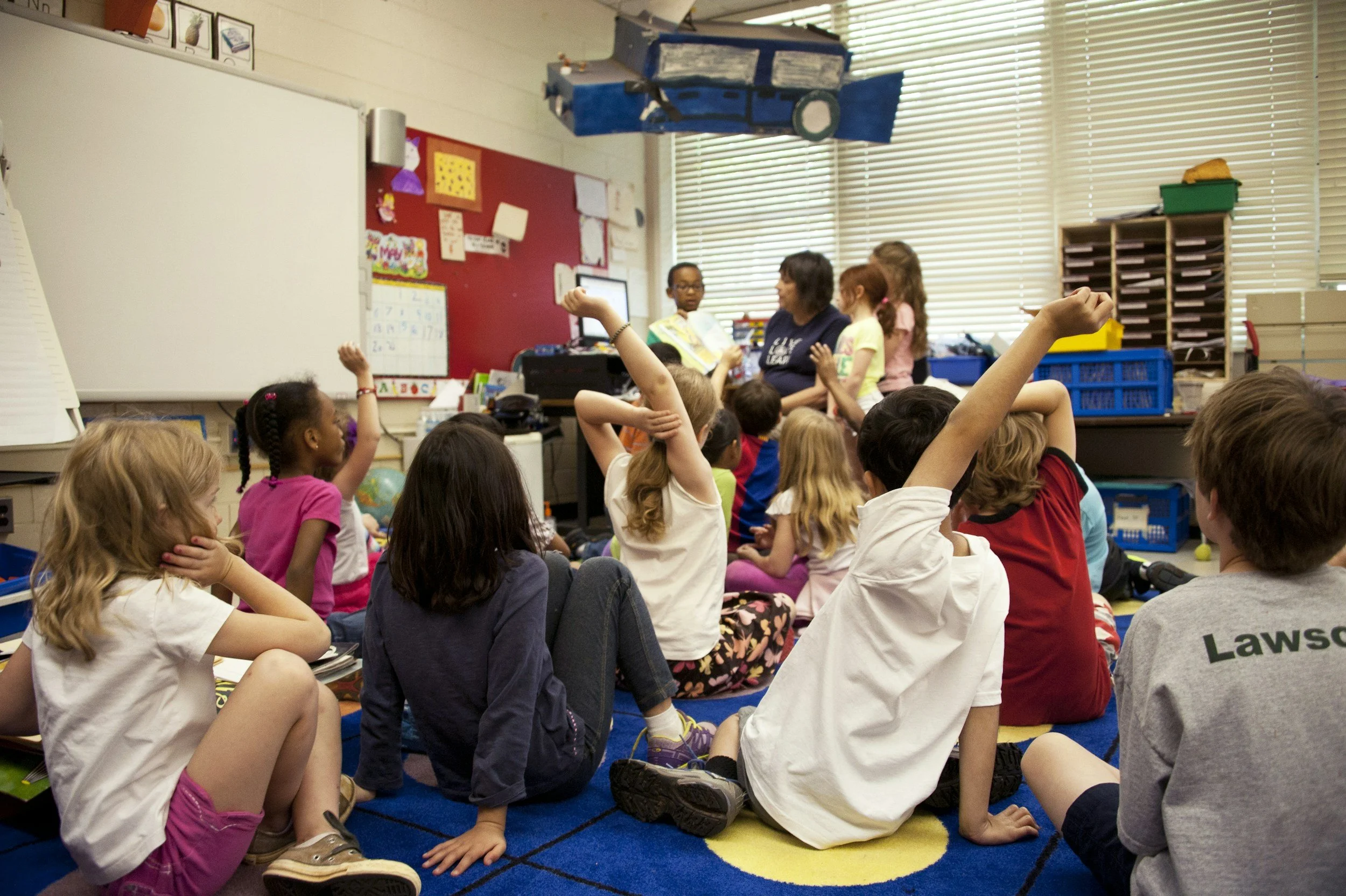
There's a gap between how teaching looks on paper and how it feels in the classroom—and teachers live in that gap every day. I've been there, navigating the teaching realities that don't always make it into the professional development sessions or the policy meetings. Here's what I wish administrators understood about the classroom challenges teachers face.
The Reality Behind Classroom Management
When you walk into a classroom, you're not just managing lesson plans—you're managing emotions, energy levels, unexpected behaviors, and a hundred small decisions that happen in rapid succession. The education system challenges us to maintain perfect classroom control while also being flexible, creative, and compassionate. It's a balancing act that requires constant adjustment, and it doesn't always look neat or follow a script.
Time Is Never Enough
One of the biggest classroom challenges teachers face is time. There's never enough of it. Between planning lessons, grading, responding to emails, attending meetings, and actually teaching, the hours blur together. Teacher expectations often include being available before school, after school, during lunch, and sometimes even on weekends. We're expected to differentiate instruction, integrate technology, support social-emotional learning, and track data—all while maintaining our own well-being. It's exhausting, and it's real.
Students Come With Complex Needs
Every student walks into my classroom with their own story, their own struggles, and their own strengths. Some are dealing with trauma. Some are hungry. Some haven't slept well. And all of them deserve my attention and support. The teaching realities mean that I can't just teach content—I have to teach the whole child. That's beautiful work, but it's also incredibly demanding, especially when class sizes are large and resources are limited.
Curriculum vs. Creativity
I became a teacher because I love learning and I love helping students discover new things. But sometimes, the pressure to stick to pacing guides and standardized assessments stifles the creativity that makes learning come alive. One of the major education system challenges is that we're often caught between what we're required to teach and what our students actually need. When admin understands this tension, it opens up space for trust and collaboration instead of compliance and stress.
We Need Support, Not Surveillance
Teachers don't need more observations or evaluations that feel like checklists. We need mentorship, resources, and the freedom to make professional decisions in our classrooms. We need admin who ask, "What do you need?" instead of, "Why didn't you do it this way?" Trust goes both ways, and when teachers feel supported rather than scrutinized, we thrive—and so do our students.
The Emotional Labor Is Invisible
Teaching isn't just an intellectual job—it's an emotional one. We celebrate our students' successes and carry their struggles home with us. We worry about the quiet kid in the back row and the one who didn't turn in homework all week. This emotional labor is a huge part of the classroom challenges teachers face, and it's often overlooked in conversations about teacher expectations and burnout.
What We Really Need
At the end of the day, what teachers wish admin understood is this: we're doing our best in a system that often asks us to do the impossible. We need realistic expectations, adequate resources, and leaders who see us as professionals with valuable insights about what actually works in real classrooms.
Teachers know what works in real classrooms. Education Wonders is built on real teaching experience—because teachers deserve resources that reflect reality. If you're looking for print and go resources that save you time and actually work with your students, check out Education Wonders by Johanna Gonzales. I create every resource with the teaching realities in mind, so you can focus on what matters most: your students.
