
How to Use the Goal Setting Activity During the First Weeks of School
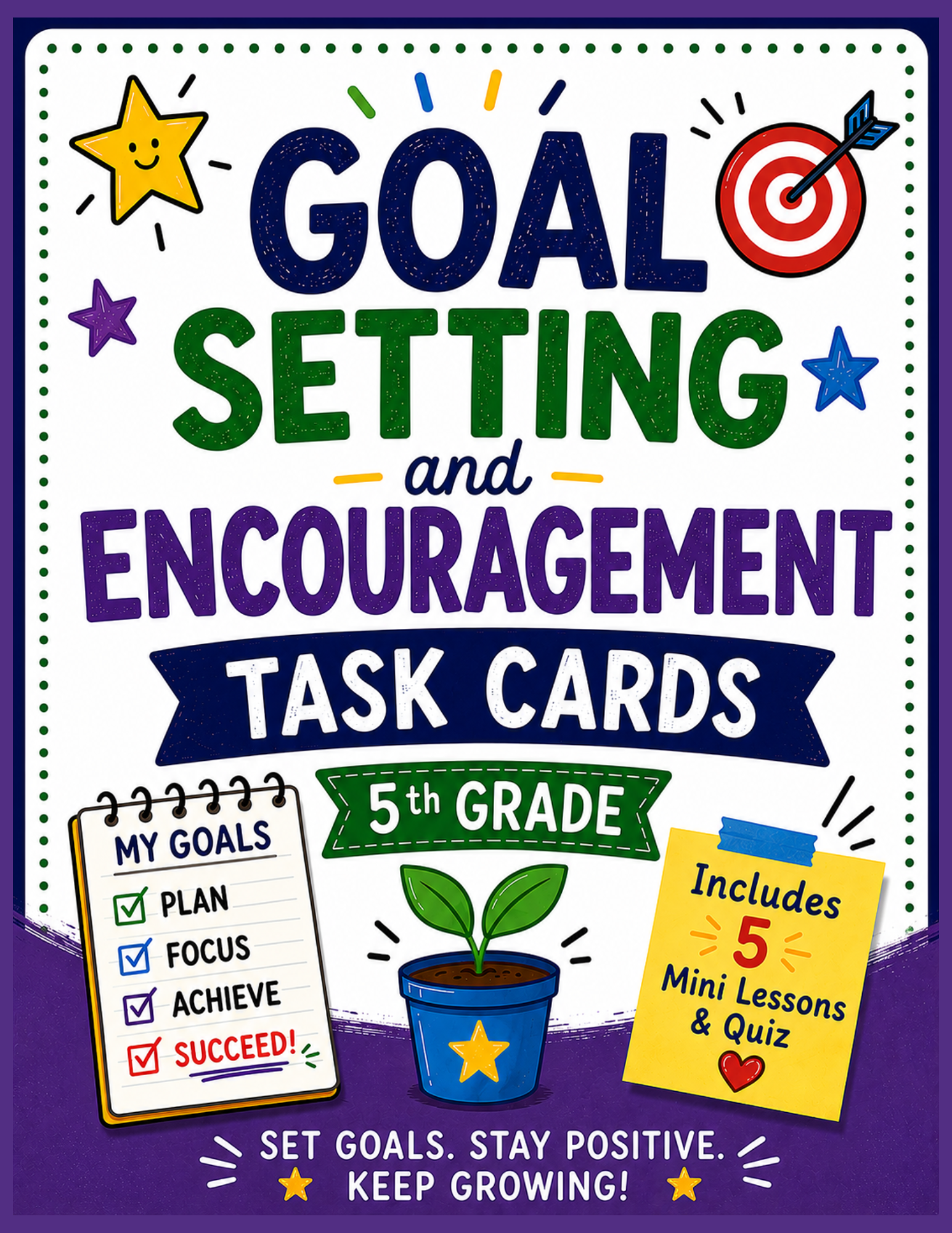
The first few weeks of school are all about building routines, establishing expectations, and helping students develop the habits they need to be successful throughout the year. One of the best ways to start the year strong is by teaching students how to set meaningful goals.
That's exactly why the Goal Setting & Encouragement Activity is included in the Education Wonders Reading Success Box.
Why Goal Setting Matters
Students who set goals are more likely to stay focused, take ownership of their learning, and celebrate their progress. Goal setting helps students:
Develop responsibility and independence
Build confidence and motivation
Reflect on their strengths and areas for growth
Create a positive mindset for learning
When students have a clear target, they are more likely to stay engaged and work toward success.
1. Use It as a Back-to-School Reading Center
Place the task cards in a reading center during the first few weeks of school. Students can work independently or with a partner to answer questions about setting goals, overcoming challenges, and developing positive habits.
This creates meaningful discussions while reinforcing reading comprehension and critical thinking skills.
2. Use It During Morning Meetings
Select one task card each morning and discuss it as a class.
Questions about perseverance, responsibility, and growth mindset make excellent conversation starters and help build a positive classroom culture.
Students can share ideas and learn from one another's experiences.
3. Create Individual Learning Goals
After completing the activity, have students create one academic goal and one personal goal for the month.
Examples might include:
Read 20 minutes each night.
Improve reading comprehension scores.
Stay organized with assignments.
Participate more during class discussions.
Display goals in student folders, data binders, or goal-setting journals.
4. Use It for Small Group Discussions
The task cards provide opportunities for meaningful conversations in small groups.
Students can discuss:
What goals they have for the year
Challenges they may face
Strategies for staying motivated
Ways to support one another
These discussions help build classroom community while encouraging student reflection.
5. Connect It to Growth Mindset Lessons
The beginning of the school year is the perfect time to teach students that mistakes are part of learning.
Use the task cards to reinforce important growth mindset concepts such as:
Perseverance
Effort
Positive self-talk
Learning from mistakes
Students begin to understand that success comes from consistent effort over time.
6. Revisit Goals Throughout the Year
Goal setting should not be a one-time activity.
Revisit student goals monthly or quarterly. Allow students to reflect on their progress and make adjustments as needed.
This helps students see growth and celebrate accomplishments throughout the school year.
A Strong Start Leads to a Successful Year
The Goal Setting & Encouragement Activity is more than just a set of task cards—it's a tool that helps students develop confidence, responsibility, and a growth mindset from the very beginning of the school year.
By incorporating goal setting into your classroom routines, you'll help students take ownership of their learning and build habits that will support them all year long.
Ready to make reading centers easier?
The Education Wonders Reading Success Box provides ready-to-use, teacher-created activities that save planning time while helping students build important reading and thinking skills.
Order your box today and start the school year with engaging activities already prepared for you!
